
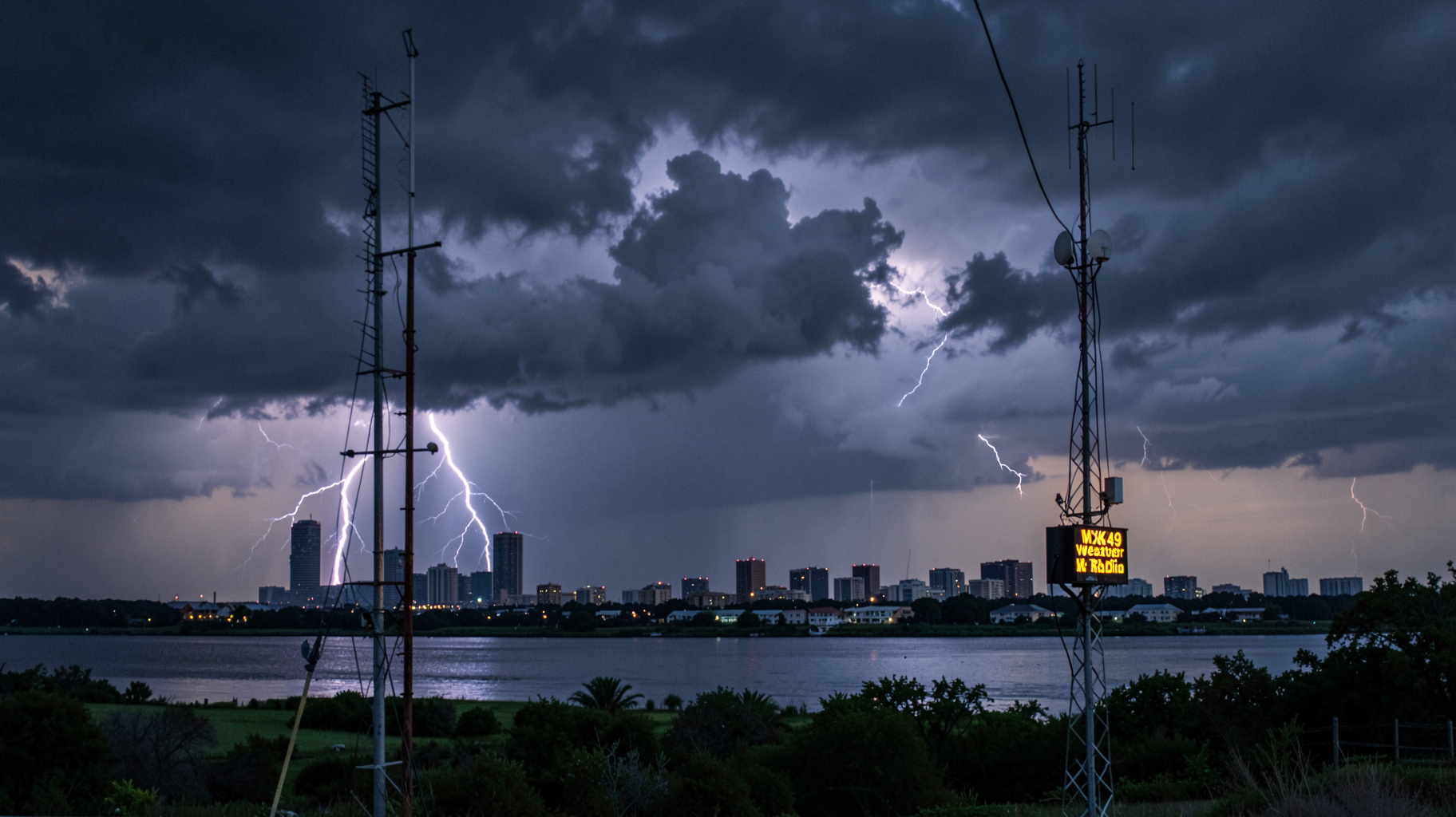
WXK49 broadcasts around the clock on 162.475 MHz out of Memphis, Tennessee, carrying forecasts, river readings and severe weather warnings to listeners across a stretch of Tennessee, Arkansas and Mississippi rather than a single city. It plays no music and runs no ads. Its entire job is to stay on air and say something useful the moment the weather turns dangerous.
Born Out of a Tornado Outbreak
Stations like WXK49 exist because of a disaster that happened decades before this one went on air. The 1965 Palm Sunday tornado outbreak killed dozens of people across the Midwest, and the U.S. Weather Bureau's own storm survey team concluded afterward that the country needed a dedicated radio network capable of pushing warnings straight to the public, hospitals, schools and emergency responders. What started as an experimental VHF broadcast in Chicago and New York in 1960 grew, over the following decades, into the nationwide NOAA Weather Radio All Hazards network that WXK49 is one small part of today.
A Tri-State Signal Run From One Office
WXK49 is programmed by the National Weather Service's Memphis forecast office and covers a coverage footprint that crosses state lines entirely, reaching Shelby County in Tennessee along with counties in eastern Arkansas and northern Mississippi, according to the station's technical listing. That tri-state reach makes sense given how the Mississippi River itself draws the region together, a single metro area's weather threat rarely respects a state border, so the broadcast does not either.
Built to Wake Up a Silent Radio
Every NOAA Weather Radio transmitter, WXK49 included, sends out a 1,050 Hz attention tone ahead of urgent alerts, a signal designed specifically to trigger specially built receivers into turning themselves on even if a listener has the volume muted or the room is empty. That tone system, formalized nationally through Specific Area Message Encoding technology adopted by the FCC in 1997, is why weather radios sit quietly in homes, hospitals and schools for weeks at a time and then suddenly start talking the moment a warning is issued.
Backed by Volunteers Watching the Sky
The station's programming leans on SKYWARN, the network of trained volunteer spotters who report severe weather conditions directly to their local National Weather Service office. That volunteer reporting, combined with radar and satellite data, feeds directly into what WXK49 broadcasts, meaning the voice coming out of the radio is often relaying what someone a few miles from the storm just saw with their own eyes.
Routine Most Weeks, Urgent When It Matters
For most of any given week, WXK49 is simply routine, cycling through current conditions, river stages and short-term forecasts for the Mid-South. The Memphis National Weather Service office runs a required weekly test of the system on Wednesdays, and if severe weather is threatening during that window, the test gets pushed to the next clear day, a small scheduling detail that says a lot about how this station orders its priorities. Music stations chase listeners with variety. WXK49 chases them with reliability, on the assumption that most listeners will not think about it until the one week they need it most.