
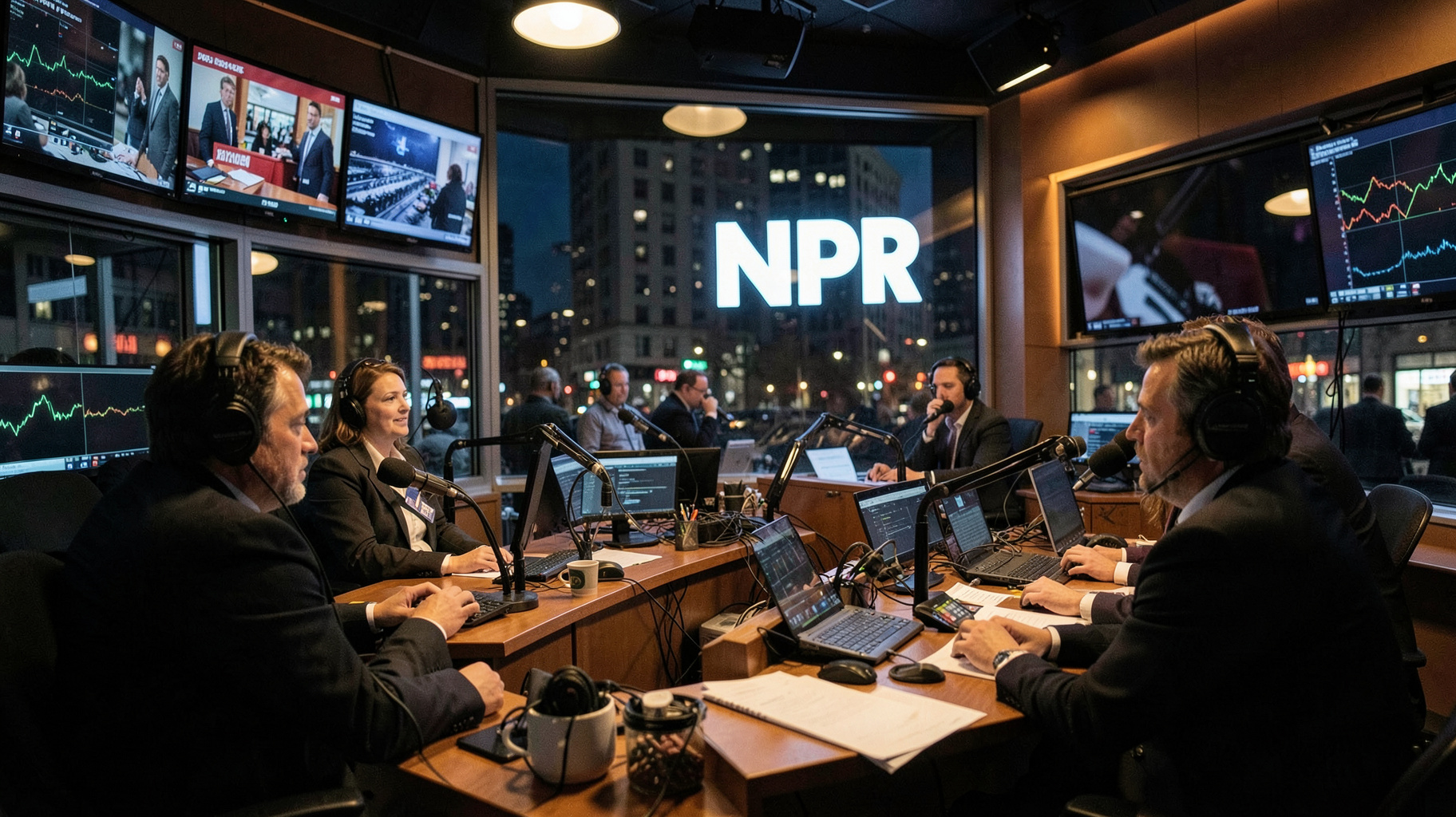
NPR 24 Hour Program Stream carries recordings of NPR's national programs around the clock, airing shows again shortly after they air live on NPR's member stations. It is not a single show or a local outlet but a continuous relay of the news and talk programming that built American public radio into a national institution over more than five decades.
Built to Connect Local Stations, Not Replace Them
NPR was incorporated on February 26, 1970 with roughly 90 charter member stations, formed in direct response to the Public Broadcasting Act of 1967, according to a history from Encyclopedia.com. Its founding program director, Bill Siemering, wrote a mission statement that year calling for public radio to be a "source of information of consequence" that would help citizens become "enlightened participants" in society. That mission was never about building a single national station; it was about interconnecting hundreds of independent local ones, and the 24 Hour Program Stream is a direct descendant of that original wiring job.
From Vietnam Hearings to a Signature Newsmagazine
NPR reached the air for the first time in April 1971 covering U.S. Senate hearings on the Vietnam War, and on May 3 of that year launched All Things Considered, described by a 50th-anniversary timeline from KGOU as the first national public radio program to redefine the substance and sound of national news. Morning Edition followed in 1979 during a decade of rapid program expansion, and by 1980 NPR had completed the country's first nationwide radio satellite distribution network with fifteen origination points, the technical leap that let member stations share programming instantly instead of mailing tape reels across the country.
A Stream Built for the Feed, Not the Frequency
The 24 Hour Program Stream takes that same interconnection model and makes it available directly online, running recent NPR programming continuously and breaking format only when NPR interrupts for breaking news. It carries no local call letters and no single city's identity. Instead it offers a rolling cross-section of the network-level news, talk and analysis that NPR's member stations have been drawing from since satellite distribution first made that possible in 1980.
A National Feed With a Local Radio's DNA
What makes the stream worth understanding is what it is not: a broadcaster in its own right, but the same connective infrastructure Siemering's 1970 mission statement described, still running decades later as an always-on version of the shared programming that turned a loose network of local stations into one of the most recognized names in American radio.