
La Sabrosita broadcasts regional Mexican and tropical music at 104.1 FM from Ciudad Cuauhtémoc, Chihuahua, under the call sign XHCDH-FM. Owned by Grupo BM Radio, it runs at 3 kilowatts from a transmitter over 500 metres above average terrain, giving it, by most local accounts, the widest reach of any station serving northwest Chihuahua state.
Three Names in Three Decades
XHCDH-FM has not always sounded like it does today. The concession was granted on November 30, 1994, to José Guadalupe Bernal Vázquez, and the station launched as La Suavecita. It rebranded to Digital Estéreo in 2000, and only in 2011 did it settle into the La Sabrosita identity and regional Mexican format that listeners know now, a slower evolution than most stations go through before finding their lasting sound.
Broadcasting From Mexico's Mennonite Heartland
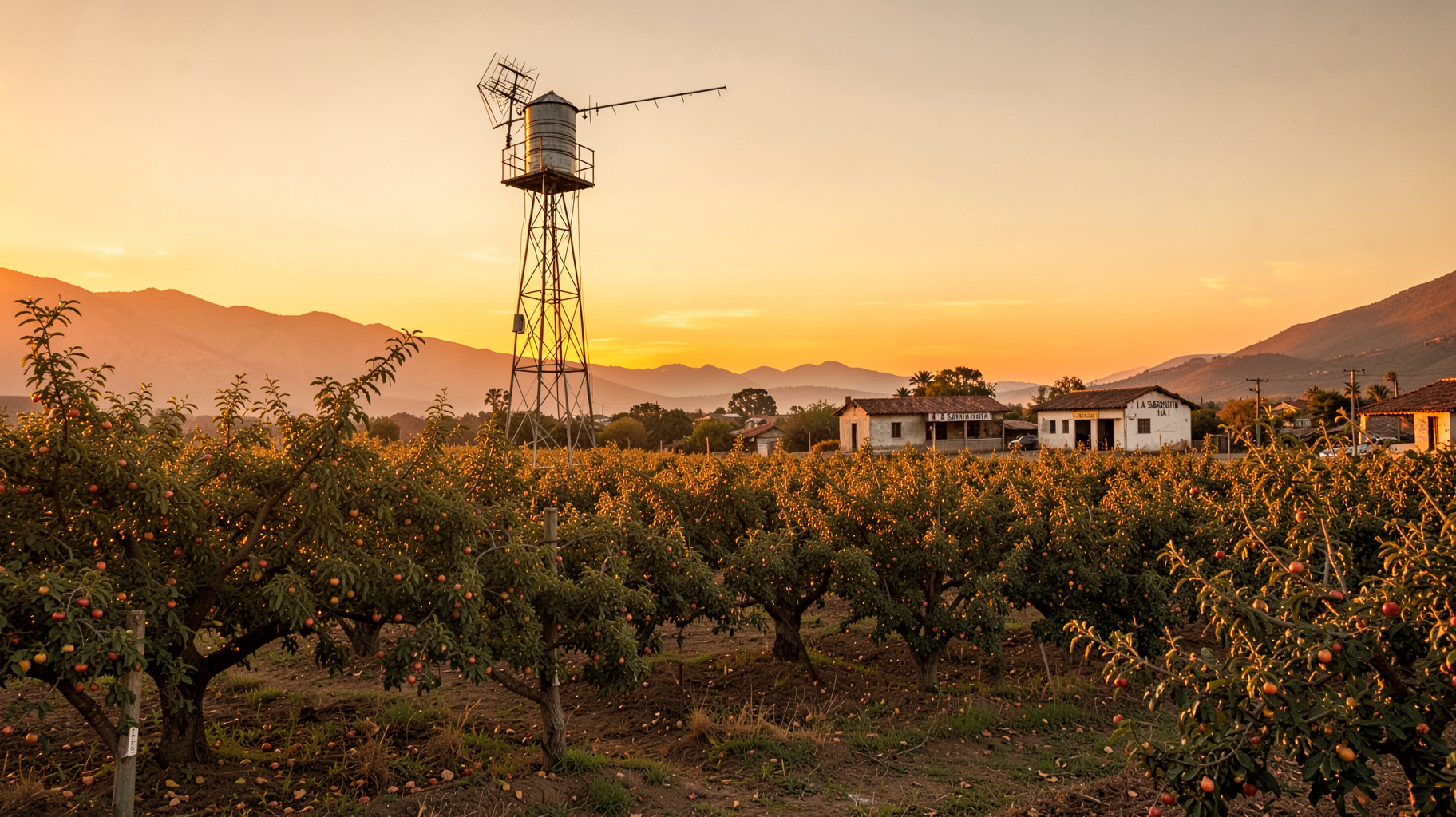
Ciudad Cuauhtémoc is home to the largest and oldest Mennonite community in Mexico. The first of six chartered trains carrying Mennonite families from Manitoba, Canada arrived on March 8, 1922, eventually settling more than 9,000 people across the region. A century later, the Mennonite colonies around the city are known nationwide for their apple orchards and their cheese, queso menonite, now sold across Mexico under the Chihuahua cheese name. La Sabrosita's regional Mexican playlist serves a listening area shaped as much by that agricultural community as by the city itself.
A Regional Format With Real Coverage
Grupo BM Radio built La Sabrosita around a mix of regional Mexican and tropical genres, the sound that dominates commercial radio across northern Mexico, but the station's actual selling point is coverage: its Class B signal and transmitter height give it a footprint that reaches well past Cuauhtémoc into the surrounding municipality, an area that includes both the Mennonite farming colonies and smaller towns without a strong local signal of their own.
Why Tune In
La Sabrosita is a straightforward regional Mexican station with an outsized signal for a mid-sized city, broadcasting from one of the more distinctive corners of Chihuahua, where colonial-era Mennonite farming communities and modern Mexican radio share the same stretch of countryside.