
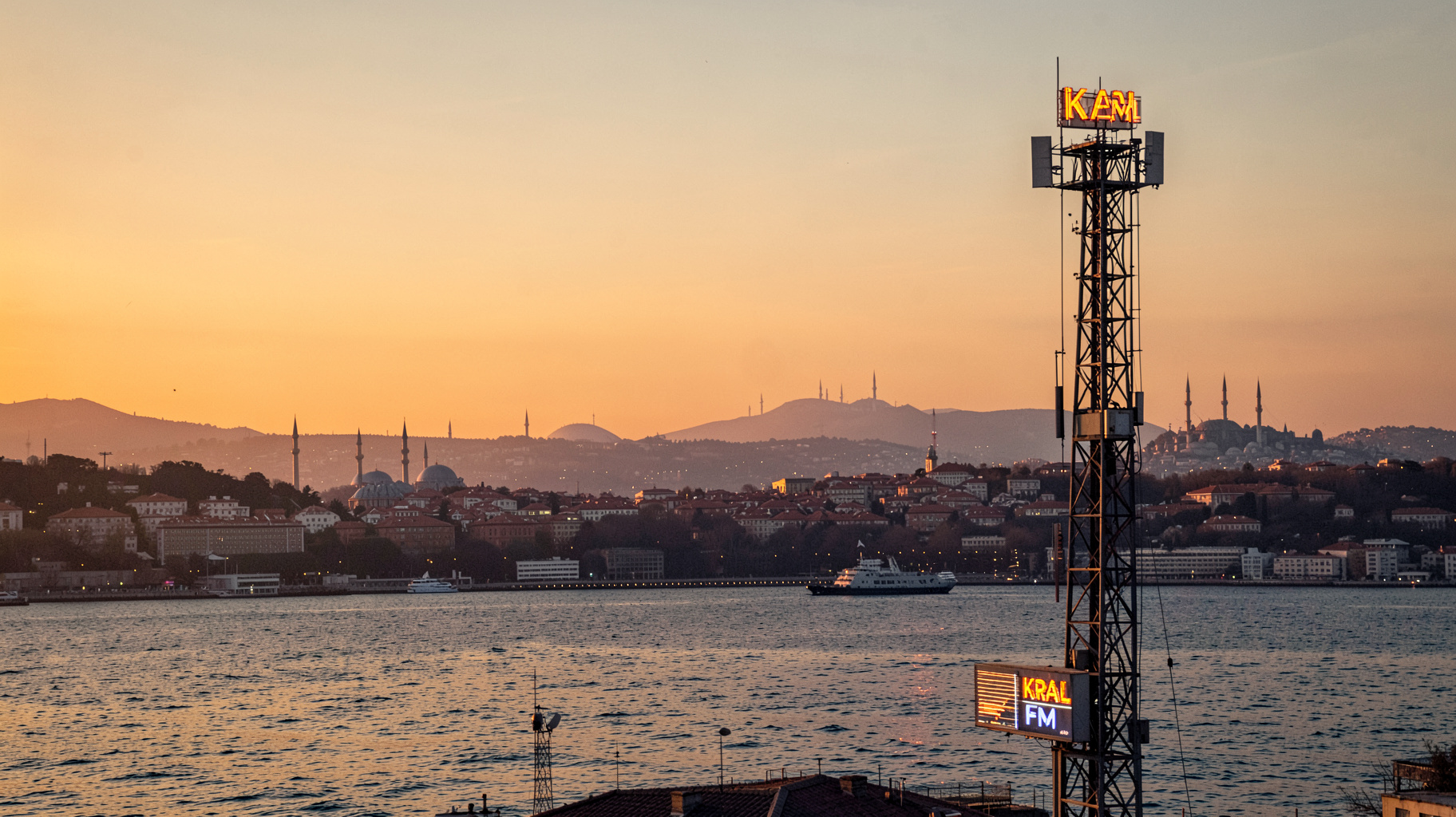
Kral FM has spent more than three decades as one of Turkey's most listened-to radio stations, built around arabesque and fantezi music, the melancholy, love-and-longing genre that has soundtracked Turkish daily life since the mid-20th century. Its playlist has stayed remarkably consistent over the years. Its ownership has not.
The station launched on October 1, 1993, founded by businessman Cem Uzan under Star Media Group, part of the sprawling Uzan Group conglomerate that also controlled Turkey's first private television broadcaster. The genre it built its identity around had deep roots already, tracing back through Turkish arabesque to the urban migration of the mid-20th century, when artists like Orhan Gencebay gave a musical voice to the struggles and longing of Anatolians moving into the cities. Kral FM built a national audience by staying close to that emotional core, minor-key ballads about love and loss delivered by generations of the genre's biggest names.
Then came 2004. The Turkish state's Savings Deposit Insurance Fund, TMSF, seized more than 200 companies belonging to the Uzan Group to recover billions of dollars lost in a fraud scandal at the family-controlled Imar Bank. Kral FM, along with the rest of the Uzan media holdings, passed into state hands as trustees took over management of the seized companies, an abrupt ending to more than a decade of ownership by the man who built the station.
Kral FM stayed under state control until 2008, when it was sold at public auction alongside sister station Kral TV to Doğuş Group, one of Turkey's largest media conglomerates. The new owners made programming changes that reportedly drew early pushback from longtime listeners before settling into wide acceptance, and the station has kept its position as one of the country's top-rated radio outlets ever since, broadcasting nationwide across dozens of FM frequencies from its Istanbul base.
For listeners drawn to arabesque and fantezi music, Kral FM remains the genre's biggest stage in Turkey, a station whose sound never really changed even while the company behind it passed from a media mogul to the state to a private broadcasting group in the space of fifteen years.