
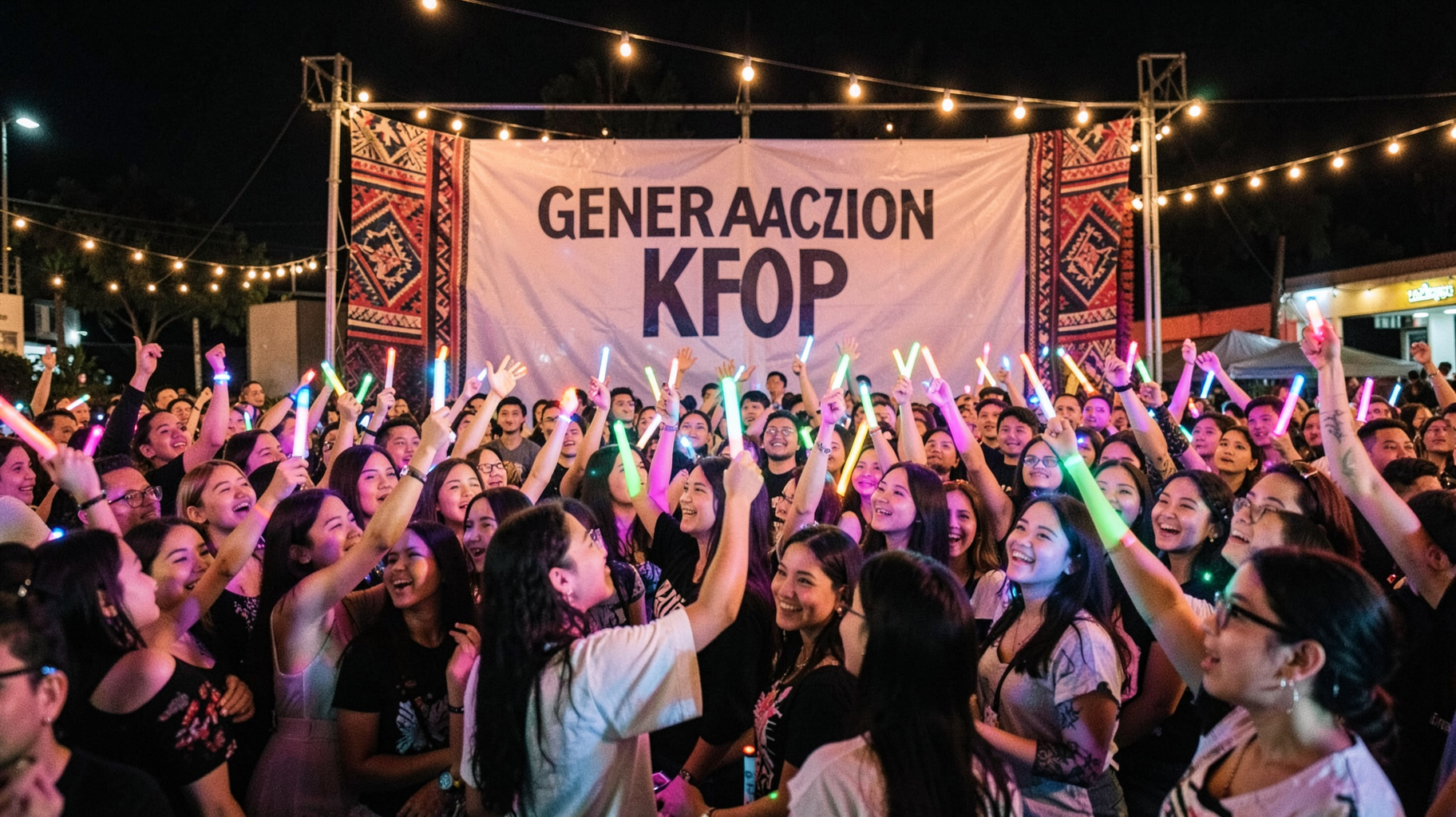
Generación Kpop streams K-pop around the clock from Lima, Peru, pairing its 24-hour radio signal with a digital magazine covering Korean music, dramas and culture for Spanish-speaking fans. The timing of its launch was not an accident. It arrived right as Lima's own K-pop fandom was turning from a curiosity into a real community.
Born in 2009, Right on Time
According to the station's own site, Generación Kpop describes itself as "una radio online y una revista digital creada en el 2009 con el objetivo de difundir la música y la cultura coreana al público de habla hispana," an online radio and digital magazine created in 2009 to spread Korean music and culture to Spanish-speaking audiences. That founding year lines up almost exactly with the moment Lima's Hallyu scene took off. Around 8,000 people had joined active K-pop fan clubs in Peru by that point, with young crowds packing event halls in the San Isidro district to watch DVDs of groups like Girls' Generation, SS501, Big Bang and TVXQ, singing and dancing along for hours at a time.
More Than a Playlist
Generación Kpop was never built as a pure music stream. From the start it combined live radio with a news operation covering idol relationships, entertainment company updates, Korean dramas and films, functioning as a hub for fans who wanted context alongside their music rather than just a rotation of songs. That dual identity, radio station and digital magazine in one, mirrors how deeply K-pop fandom in Peru has always tied music appreciation to community and culture rather than treating it as a passing genre.
A Fandom That Gives Back
Peru's K-pop fan community has developed a reputation that goes beyond listening. Fandoms in the country have organized around charitable work as much as fan events, and BTS's Peruvian ARMY chapter has made some of the largest fan-driven donations at a national level, including a three-thousand-soles contribution toward community initiatives. That activist streak has made Peruvian K-pop fandoms notable well beyond the genre's usual media coverage, a detail that gives extra context to why a station built around this audience positions itself as more than background music.
Where K-pop Meets Quechua
Peru's relationship with K-pop has also produced its own homegrown hybrids. BlingOne became the first K-pop group made up entirely of Peruvian members, while artist Lenin Tamayo has released K-pop-style songs sung in Quechua, the indigenous language spoken across the Andes, deliberately fusing the genre's production style with Peruvian cultural roots rather than simply importing it wholesale. That willingness to bend the genre toward local identity is part of what has kept Hallyu growing in Peru year after year, reinforced by institutions like the King Sejong Institute opening a branch in Lima to teach Korean language and culture directly.
Still Playing the Same Role
More than fifteen years after it launched into a fandom that was just beginning to organize itself, Generación Kpop keeps doing what it set out to do: giving Peru's Spanish-speaking K-pop audience one place to hear the music and follow everything happening around it, from Seoul comebacks to homegrown Quechua covers.