
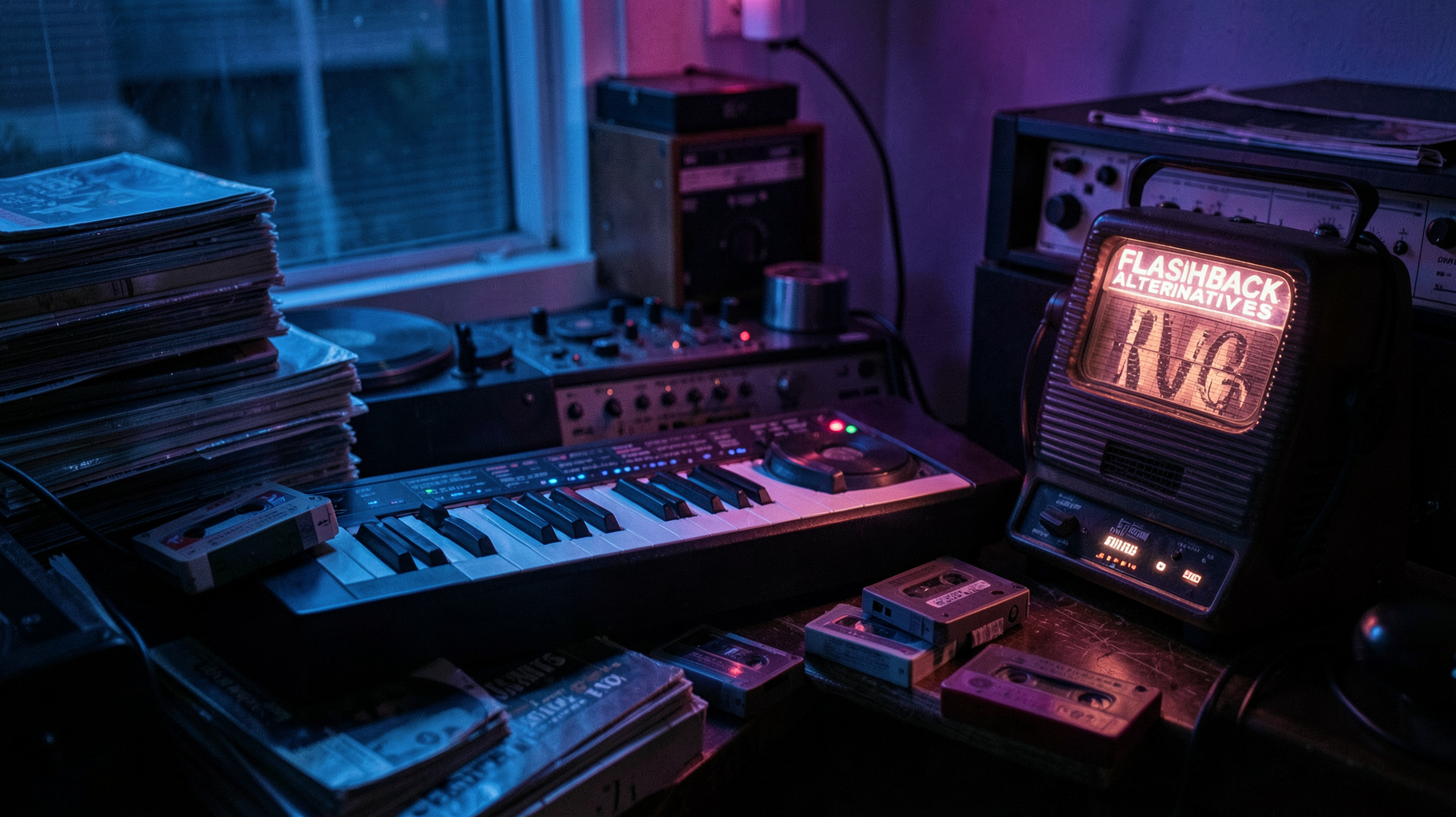
Flashback Alternatives went live on 24 March 1999, back when streaming audio online was still a novelty most people had never tried. More than two decades later, it remains one of the longest continuously running internet radio stations in the world, a survivor from an era when almost nobody was betting that internet radio would stick around this long.
One DJ, One Station, Since 1999
The station is owned and operated independently by DJ Ed Fishman, who built Flashback Alternatives around a single, narrow mission: keeping classic alternative music from the 70s, 80s and 90s in rotation rather than letting it fade into nostalgia compilations. By its 18th anniversary in March 2017, the station had already outlasted the vast majority of internet radio projects launched in the format's earliest years, most of which folded long before broadband streaming became the norm.
Deep Cuts Over Greatest Hits
Flashback Alternatives leans specifically on rarities and deep cuts rather than a predictable loop of alternative radio staples, mixing in more recent tracks that fit the same spirit alongside the decades-old originals. The station runs largely automated around the clock, supplemented by specialty programming each evening at 9pm and a dedicated Friday Nite Live show, a structure that lets one person maintain a consistent, curated identity without needing a full paid staff to keep it on air.
The Radio Format It's Keeping Alive
The "classic alternative" format Flashback Alternatives is built around traces directly back to stations like WLIR on Long Island, which shifted to a new wave and post-punk format in August 1982 under program director Denis McNamara. WLIR became known for playing import singles before their U.S. release, including Frankie Goes to Hollywood's debut just six days after its UK release, according to a retrospective on the station's influence. Music director Rosie Pisani reportedly drove to JFK Airport every week just to collect newly arrived import records, the kind of hands-on tastemaking that turned WLIR's coverage area into what McNamara called one of the hippest music markets in the world at the time.
From Terrestrial Tastemaker to Internet Archive
WLIR's format later extended nationally through the Underground Network, a mid-1990s alternative rock syndication effort, before fading from terrestrial radio the way most single-station scenes eventually do. Internet stations like Flashback Alternatives picked up where that model left off, minus the FM signal limits, run by someone whose actual job is just making sure the format itself doesn't disappear rather than chasing a specific market's ratings.
Twenty-Five Years and Counting
Most things launched on the internet in 1999 are long gone. Flashback Alternatives isn't, and its survival says something about how durable a narrow, personally-run format can be when it isn't chasing trends. It's still the same pitch it was in 1999: classic alternative, played by someone who genuinely cares whether the deep cuts stay in rotation.