
96-1 SRS plays adult contemporary hits from the 1980s and 90s today, but its story starts on 17 June 1940, broadcasting as an experimental station before the FCC had even finalized the FM band it would eventually settle on.
Born as an Experiment, Owned by a Newspaper
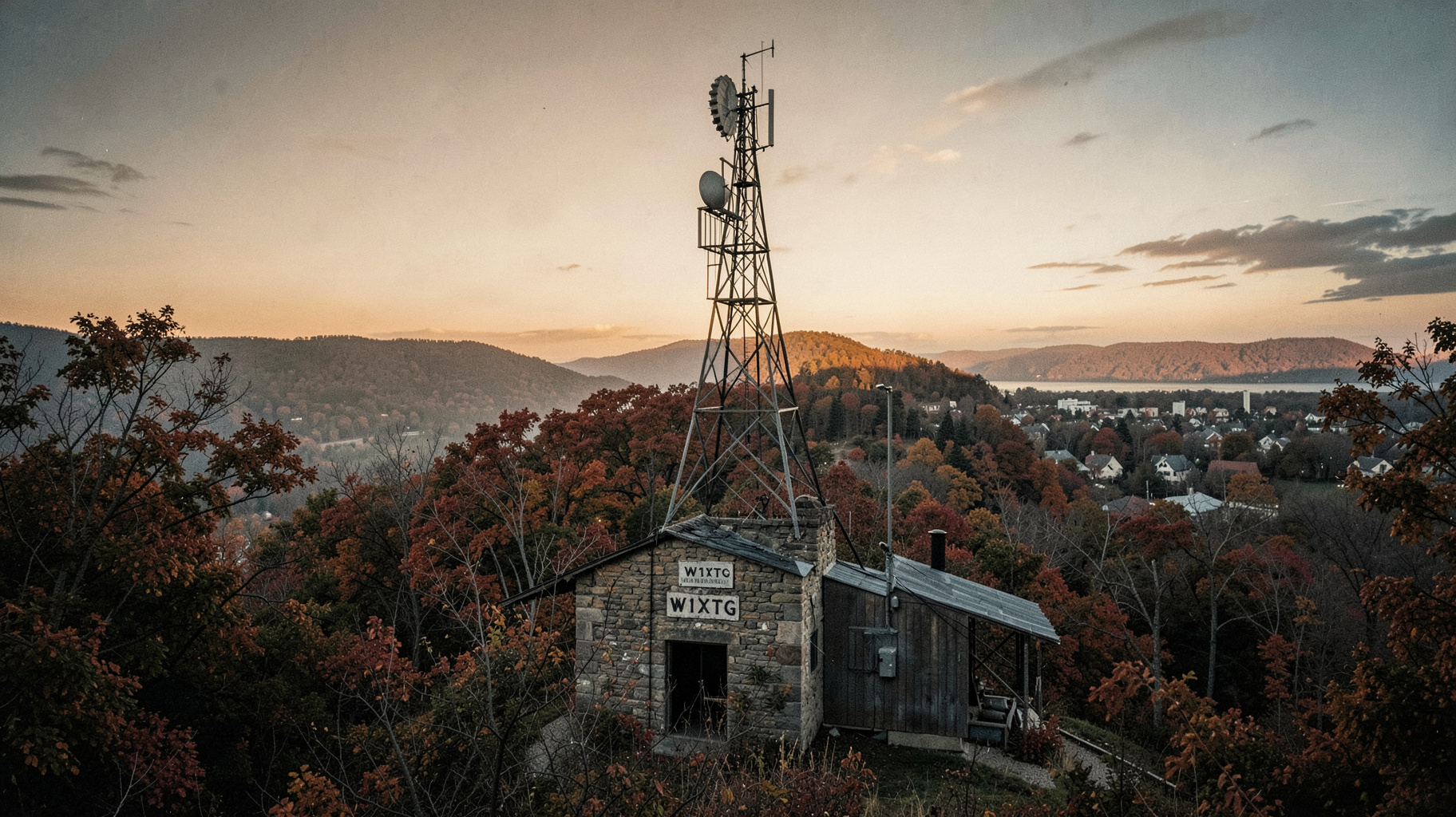
WSRS began life as W1XTG, an experimental FM station launched by the Worcester Telegram Publishing Company on 43.4 MHz, sharing programming with the company's AM station WTAG from 6:30 a.m. to midnight, according to a documented history of the station. The call sign itself spelled out its status: W1 for its New England region, X for experimental, and TG for Worcester Telegram & Gazette, its newspaper owner. At a time when FM broadcasting was still a regulatory work in progress, W1XTG reportedly ran the longest FM schedule in the country.
Moved Twice as the FCC Rebuilt the FM Band Around It
The station wasn't just early, it also had to relocate its entire frequency assignment twice as regulators redefined what FM broadcasting even meant. It became WTAG-FM on 46.1 MHz in January 1944, then shifted to 102.7 MHz in 1946 when the FCC moved FM broadcasting out of its original band entirely and into the 88-108 MHz range still used today, before settling on its current 96.1 MHz the following year. Few stations on air today can claim to have broadcast on three separate FM frequencies before the modern FM band was even fully built out.
Sold for $50,000, Renamed for Stereo
Knight Quality Stations bought WTAG-FM in 1963 for $50,000, splitting it away from its sister AM station, and renamed it WSRS, standing for "Worcester's Stereo Radio Station," on 30 December 1963 to mark the format's move into FM stereo broadcasting. That rebrand tied the station's identity directly to a specific audio technology rather than a general slogan, a naming choice unusual enough that it's still the call sign carried today, more than six decades later.
From Beautiful Music to Today's Adult Contemporary
WSRS drifted from instrumental beautiful music through easy listening before landing on mainstream adult contemporary by 1994, and it has run all-Christmas programming through the November-to-December stretch since the early 2000s. iHeartMedia has owned the station since 2000, following a string of corporate mergers that passed it through Capstar, Chancellor, AMFM and Clear Channel first.
96-1 SRS sounds like a standard adult contemporary station today, but its call sign traces back to an actual scientific experiment conducted by a newspaper company, three years before the FM band most listeners grew up with even existed in its current form.